





In product development, there's an old saying: "Measure twice, cut once." In modern manufacturing, we say: "Prototype first, tool up later." Committing to expensive production tooling before you validate design is one of the biggest risks in any new project. This guide explores the world of metal stamping prototyping, explaining how to test your concept and ensure a successful product launch.
Why is Prototyping a Critical Step in Product Development?
Why is prototyping important? Prototyping is the essential insurance policy for your project. It's about learning and iterating quickly at a low cost before making a significant financial commitment.
Validating Form, Fit, and Function
Prototypes allow you to physically hold your part. You can test its form, fit, and function. Does it look right? Does it assemble correctly with other components? Does it perform its intended job? Answering these questions early is crucial.
Reducing the Financial Risk of Hard Tooling
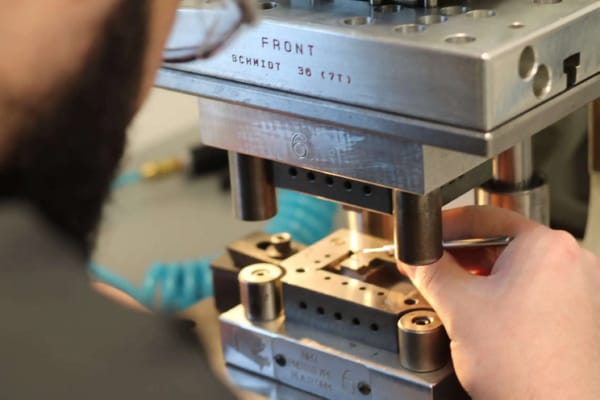
Production stamping dies, often called hard tooling, are a major investment. Discovering a design flaw after the hard tool is complete can lead to incredibly costly and time-consuming rework. Prototyping helps you catch these issues when they are still inexpensive to fix.
Common Methods for Early-Stage Metal Prototyping
For initial concept validation, the industry often turns to several rapid prototyping methods that don't require building a full stamping die. As industry experts, we see clients use these common approaches.
Method 1: CNC Machining from a Solid Block
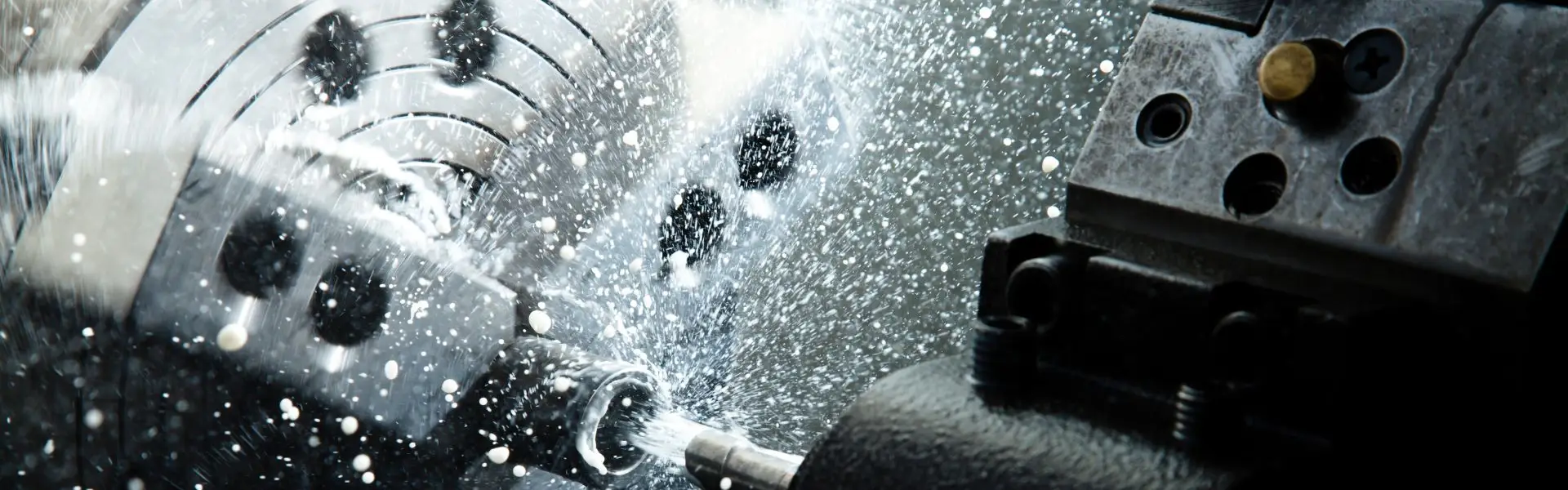
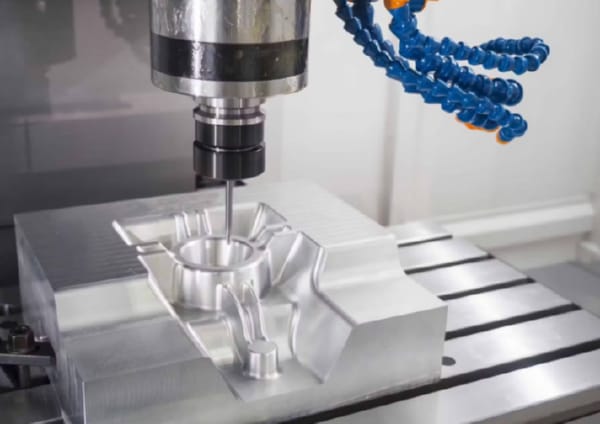
CNC machining is an excellent method for creating highly accurate, one-off prototypes. It starts with a solid block of metal and carves away material to create the final shape. It's perfect for testing complex geometries and validating precise dimensions.
Method 2: "Tool-less" Sheet Metal Fabrication (Laser/Turret + Press Brake)
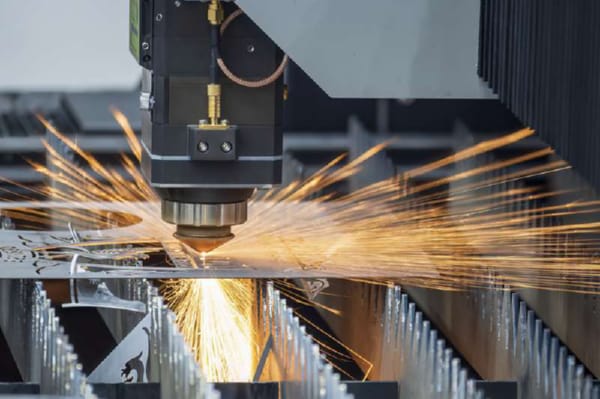
For parts made from sheet metal, a popular approach combines laser cutting or turret punching with a press brake. A laser cutter first cuts the flat 2D pattern of the part, and then a press brake machine is used to manually or robotically form the required bends. This is a fast way to get functional sheet metal prototypes.
The Bridge to Mass Production: Pre-Production Samples via Stamping
Early-stage prototypes are great for initial validation, but they don't perfectly replicate the properties of a final, stamped part. The ultimate validation comes from samples made with production-intent tooling.
What are First Article Inspection (FAI) Samples?
FAI samples, or pre-production samples, are the very first parts produced from the final production stamping die. They are the "golden samples" that represent exactly what will be produced during mass production.
Why FAI Samples are the Ultimate Design Validation
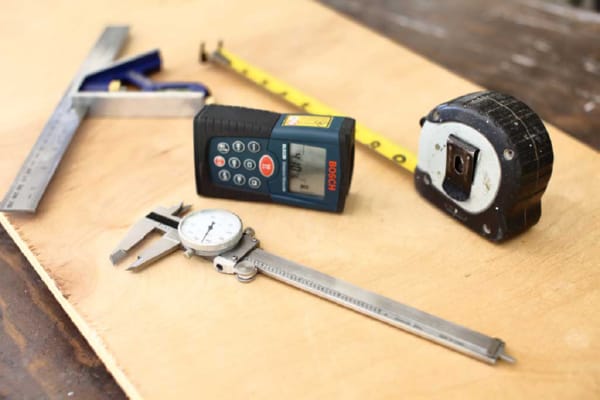
These samples are critical because they are made using the same material, tooling, and process as the final product. They allow you to validate design under real-world manufacturing conditions, checking for any unforeseen issues related to material flow or springback that only the stamping process can reveal.
The Role of Production-Intent Tooling
FAI samples are produced from the hard tooling itself. This is the final and most important check before you authorize the start of low-volume or high-volume production, ensuring that your investment in tooling was sound.
How Pengce Metal Supports Your Design Validation Phase
At Pengce Metal, our expertise lies in creating the high-quality production tooling that serves as the bridge from your final design to a scalable product.
Our Expertise in Creating Production-Ready Tooling
We specialize in the design and fabrication of robust, high-precision hard tooling. Our engineering team works with your finalized design to build a stamping die that is optimized for quality, consistency, and a long production life.
Providing High-Quality FAI Samples for Your Approval
As a core part of our new project process, we provide you with a set of FAI samples from your new tool. We conduct a thorough internal inspection and provide a report, but we always require your final approval before proceeding. This ensures you are 100% confident in the part you will be receiving. To begin the tooling process for your validated design, contact the Pengce Metal team.
A Smart Prototyping Strategy for a Successful Launch
A smart metal stamping prototyping strategy uses a phased approach. Use faster, lower-cost methods like CNC or laser cutting to iterate and finalize your design. Then, partner with a stamping expert like Pengce Metal to build the production tool and provide the final FAI samples for the ultimate validation. This approach minimizes risk and maximizes your chances of a successful product launch. What's your biggest challenge in the prototyping phase of a new product? Speed, cost, or accuracy? Let's talk about it in the comments!
Your Metal Prototyping and Sampling Questions Answered
What is the difference between a prototype and a First Article sample?A prototype is typically made with a different, often slower method (like CNC) to validate a design concept. A First Article Inspection (FAI) sample is made from the final production tool and process, intended to validate the manufacturing process itself.
How many FAI samples do you typically provide?The number can vary based on customer requirements, but a typical submission for pre-production samples might include 3 to 5 pieces for your team to review, test, and approve.
If FAI samples show a design issue, can the production tool be modified?Can the production tool be modified? Yes, in many cases. Minor modifications to the stamping die, such as adjusting a dimension or hole location, are often possible. However, significant changes may require more extensive and costly rework, which is why early-stage prototyping is so important.
What information do you need to produce FAI samples?To produce FAI samples, we need the final, approved 2D and 3D technical drawings of your part. This allows us to build the production stamping die, from which the samples will be made. Submit your finalized design to get started.