







In high-volume stamping projects, every fraction of a cent saved per part multiplies into significant annual savings. True cost optimization, however, isn't about cutting corners on quality. It's about smart, collaborative engineering. This guide outlines five effective cost reduction strategies that can help you reduce manufacturing cost without compromising the integrity of your product, enabling affordable high volume production.
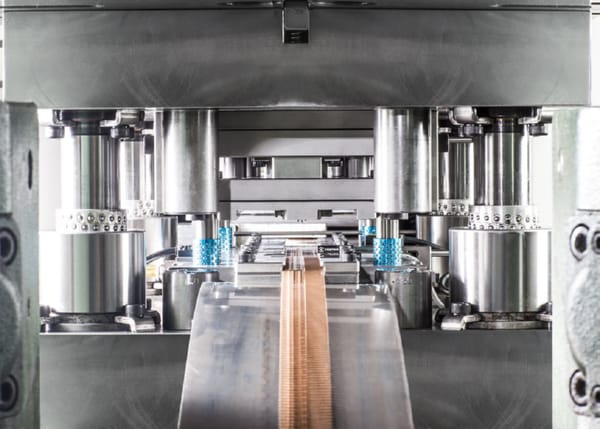
Strategy 1: Optimize Your Design for Manufacturability (DFM)
It is estimated that 80% of a product's cost is determined during the design phase. Therefore, the most impactful way to reduce manufacturing cost is to optimize the design from the very beginning. This is the core principle of Design for Manufacturability (DFM).
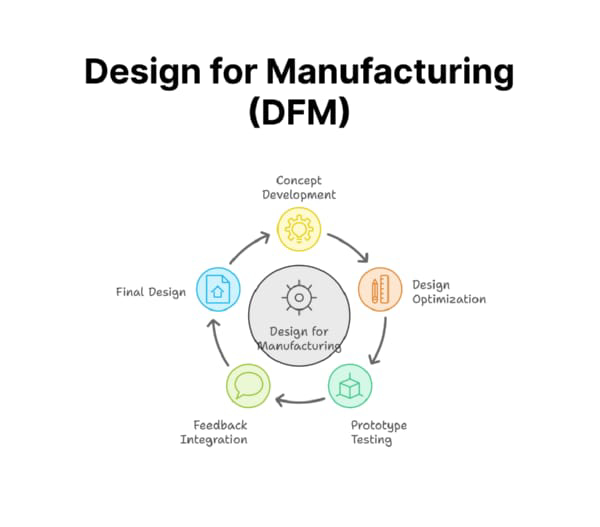
Simplify Geometries and Reduce Complexity
Complex curves, deep draws, and intricate features require more complex and expensive tooling. Evaluate each feature and ask: is this complexity absolutely necessary for the part's function? Simplifying geometries can lead to major cost savings.
Design with Standard Tooling in Mind
Whenever possible, design features like holes and slots using standard sizes. This may allow your manufacturer to use existing, standard tooling components instead of building custom ones, which can reduce the initial tooling investment.
Relax Non-Critical Tolerances
As we discussed in our guide to tolerances, tight tolerances are a major cost driver. Scrutinize your drawing and relax any non-critical tolerances. This simple change can make a part easier to manufacture, increase production speed, and lower the scrap rate.
Strategy 2: Smart Material Selection
The raw material is a significant portion of the final part price. A smart material selection process goes beyond just picking the cheapest option.
Choosing the Most Cost-Effective Material Grade
Ensure you are not over-specifying your material. If a standard grade of carbon steel meets all functional requirements, there's no need to specify a more expensive alloy. An expert manufacturer can help you evaluate alternatives.
Optimizing Material Thickness
Using a material that is thicker than necessary adds both weight and cost. Through engineering analysis, you can often find the optimal thickness that provides the required strength without excess material.
Improving Nesting to Reduce Material Waste
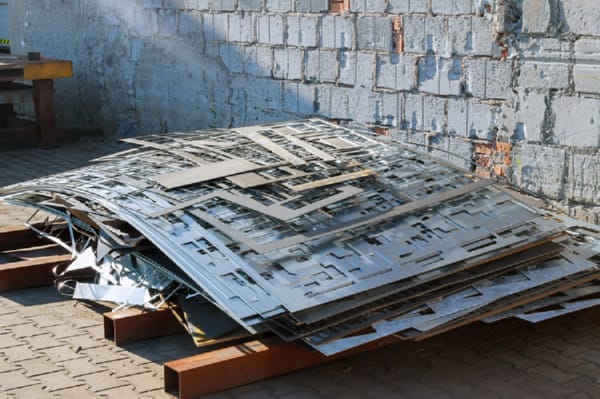
"Nesting" refers to how parts are arranged on the sheet metal coil to minimize scrap. Sometimes, a small change to a part's design can allow for a much tighter nesting pattern, dramatically reducing material waste and lowering the per-part cost.
Strategy 3: Consolidate Parts and Eliminate Secondary Operations
A holistic approach to cost optimization looks at the entire assembly, not just a single part.
Can One Stamped Part Replace a Multi-Piece Assembly?
Look for opportunities for part consolidation. Can a single, intelligently designed stamped component replace an assembly of two or three separate parts that need to be welded or fastened together? This can lead to massive savings in both part cost and assembly time.
Designing Features to Eliminate Tapping or Welding
Consider designing in features that eliminate secondary operations. For example, designing a self-locking tab can remove the need for a separate fastener, or creating a stamped thread could eliminate a downstream tapping operation.
Strategy 4: Leverage the Power of Automation
For high-volume stamping, automation is the key to achieving the lowest possible per-part price.
How Progressive Dies Lower Per-Part Labor Costs
Progressive dies perform multiple operations in a single press stroke. This high-speed, automated process requires minimal labor, which is a significant factor in reducing the final part price. Investing in a progressive die for a high-volume part is one of the most effective cost reduction strategies.
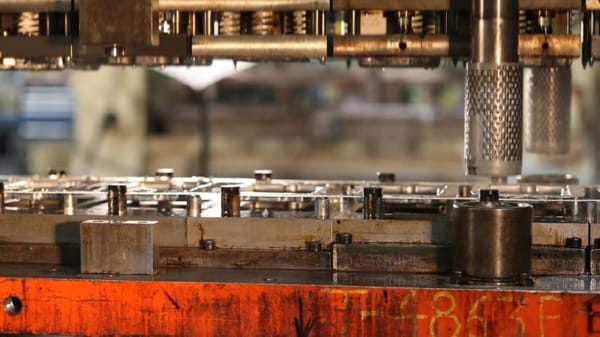
In-Die Assembly and Tapping
Advanced tooling can even perform secondary operations like tapping threads or assembling small components directly inside the stamping die. This eliminates the need for separate, offline processes, further reducing costs and lead times. For more on this, check out our comparison of stamping methods.
Strategy 5: Build a Long-Term Partnership with Your Supplier
The most overlooked strategy is often the most powerful: treat your supplier as a partner.
The Benefits of Volume Commitments
Providing your supplier with accurate forecasts and long-term volume commitments allows them to plan their material purchasing and production schedules more efficiently. This stability often translates into better pricing for you.
Collaborative Cost Reduction Programs
A true long-term partnership involves working together on continuous improvement. A good supplier will proactively suggest design or process changes that can save you money over the lifetime of the product.
A Collaborative Approach to Reduce Manufacturing Cost
Ultimately, the most significant opportunities to reduce manufacturing cost are found through collaboration. An open dialogue between your design team and your manufacturing partner is the key to unlocking innovative and effective solutions for cost optimization. What's your biggest concern when it comes to budgeting for custom parts? Let's discuss cost-saving strategies in the comments!
Your Cost Optimization Questions Answered
Does making a design change to save cost require a new tool?Not always. If the change is made during the initial Design for Manufacturability (DFM) phase, it can be incorporated into the original tool design. If the change is made after the tool is built, minor modifications are sometimes possible, but significant changes may require a new tool. This is why early collaboration is so important.
How much can I really save by relaxing a tolerance?How much can I save by relaxing a tolerance? The savings can be substantial. Relaxing a tolerance might allow for a simpler tool design, a faster production rate, and a lower scrap rate. For a very high-volume part, even a small per-part saving adds up to a large number.
Is it cheaper to use a thinner, stronger material or a thicker, cheaper material?This is a classic engineering trade-off that requires analysis. A thinner, stronger material might cost more per kilogram but use less material overall and be lighter. A thicker, cheaper material costs less per kilogram but adds weight. We can help you run a cost optimization analysis to determine the best choice for your specific application.
Do you offer a free DFM (Design for Manufacturability) analysis to identify cost savings?Do you offer a free DFM analysis? Yes, absolutely. We consider this a crucial part of our partnership approach. Our engineering team will review your design and provide a free analysis with suggestions on how to optimize it for cost-effective manufacturing. Submit your design to get started today.