







From the smartphone in your pocket to the laptop on your desk, modern consumer electronics are marvels of engineering and design. They are lighter, thinner, and more powerful than ever before. This incredible progress relies on the manufacturing of countless internal and external precision components. This guide explores the world of consumer electronics stamping, a key process that balances the industry's dual obsession with high-tech precision and flawless aesthetics.
The Driving Forces: Why Metal is Key in Modern Electronics
In an industry once dominated by plastics, metal has made a definitive comeback. The choice to use metal is driven by a combination of functional and aesthetic demands.
Lightweight and Durable: The Rise of Aluminum and Stainless Steel
Modern devices need to be both portable and durable. Aluminum alloys offer an exceptional strength-to-weight ratio, making them a popular choice for lightweight device bodies. Stainless steel is used for smaller, high-strength internal components and structural frames.
Premium Look and Feel: The Importance of Aesthetics
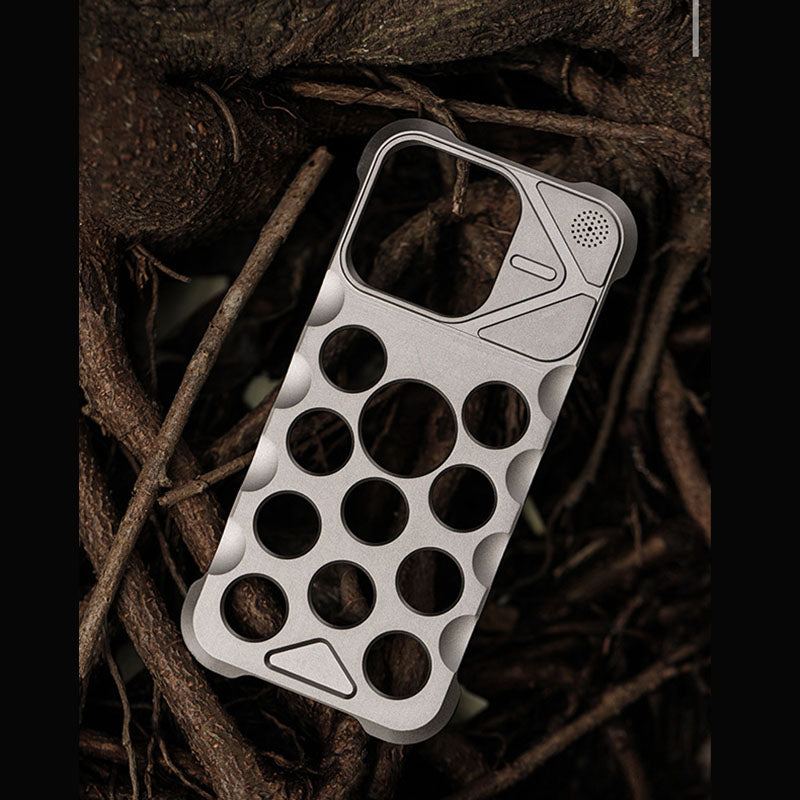
Metal provides a premium look and feel that plastic cannot replicate. The cool touch of an aluminum chassis or the polished sheen of a stainless steel bezel signals quality to the consumer. This perceived value is a critical part of product design.
Functional Benefits: Heat Dissipation and EMI Shielding
Beyond looks, metal serves critical functions. It is an excellent material for heat dissipation, drawing heat away from powerful processors. It also provides a natural barrier for EMI shielding, protecting sensitive circuits from electromagnetic interference.
Application 1: Crafting Flawless Metal Enclosures and Chassis
The most visible application of metal stamping in electronics is in creating the external body, or metal enclosures and chassis. This requires a mastery of both precision and finishing.
Achieving Tight Tolerances for Seamless Assembly
For a device to have that solid, seamless feel, every part must fit together perfectly. Consumer electronics stamping must achieve extremely tight tolerances to ensure there are no unsightly gaps between screens, ports, and casing components.
The Role of Surface Finishes (Anodizing, Polishing)
The final surface finish is what creates the aesthetic appeal. Aluminum stamping parts are often anodized to create a durable, colored, and fingerprint-resistant surface. Polishing is used on stainless steel parts to achieve a mirror-like or brushed satin finish. For more on this, explore our guide to surface finishes.
Application 2: Manufacturing Critical Internal Components
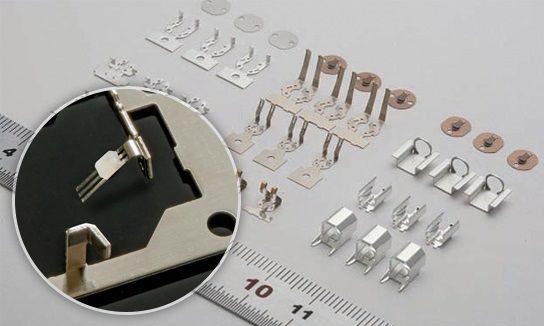
Inside every electronic device are dozens of tiny, stamped metal parts, each with a critical function. Manufacturing these precision components is a core part of our expertise.
Stamping EMI Shielding Cans for Signal Integrity
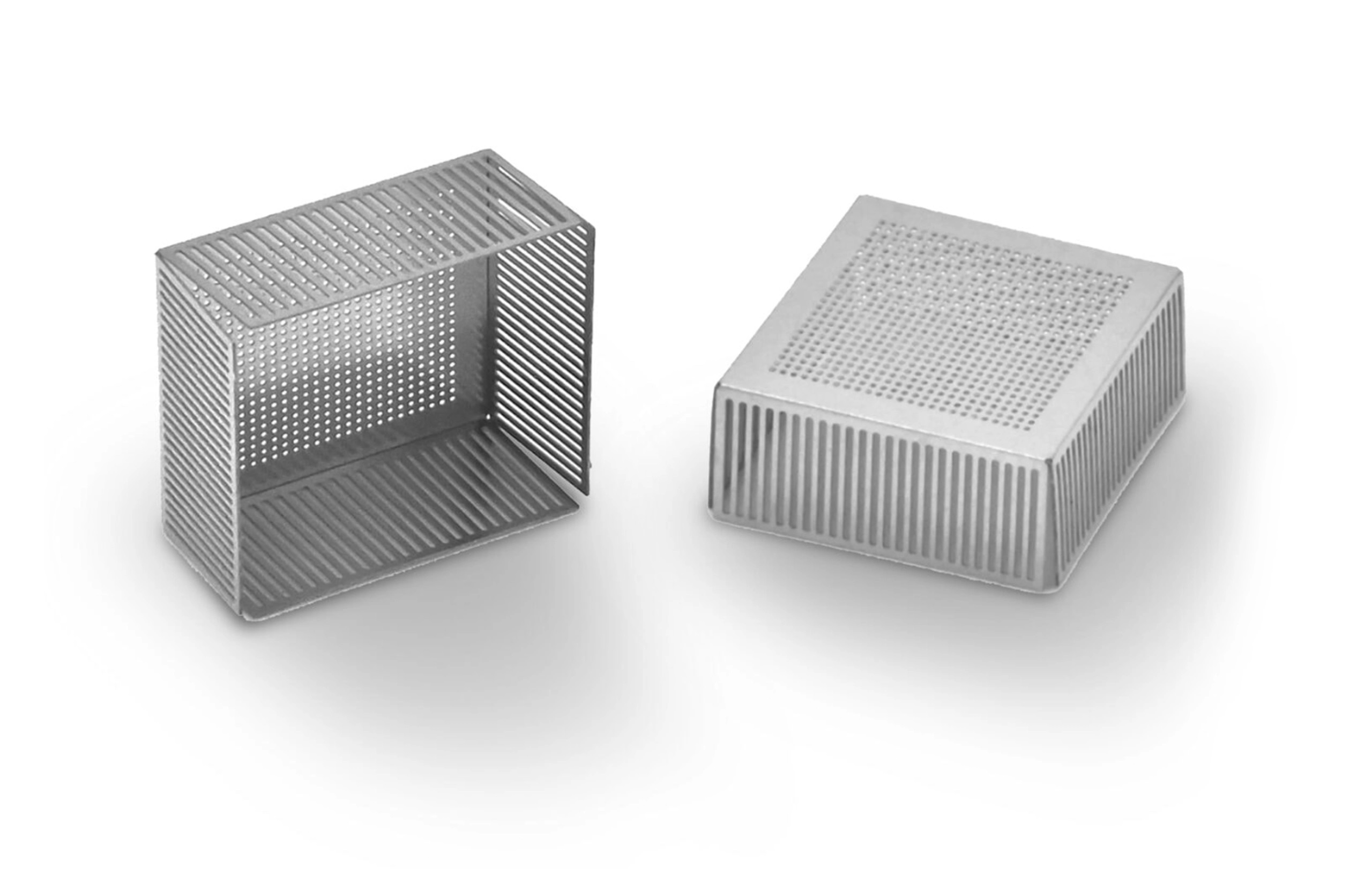
To prevent different circuits from interfering with each other (e.g., the Wi-Fi antenna and the processor), small metal "cans" are placed over sensitive chips. Stamping is the perfect method for mass-producing these EMI shielding components, which are essential for signal integrity.
Creating Custom Brackets and Mounting Hardware
Countless tiny custom brackets and clips are used to hold circuit boards, batteries, and other components securely in place. These parts must be stamped with extreme precision to align with microscopic mounting points.
Producing Heat Sinks and Spreaders for Thermal Management
To manage heat dissipation, stamped aluminum or copper components are often used as heat sinks or heat spreaders. They draw heat away from a chip and spread it over a larger area, a key element of thermal management.
Why Metal Stamping is the Ideal Process for High-Volume Electronics
For an industry that produces millions of units, the manufacturing process must be scalable, repeatable, and cost-effective.
Unmatched Speed and Scalability for Mass Production
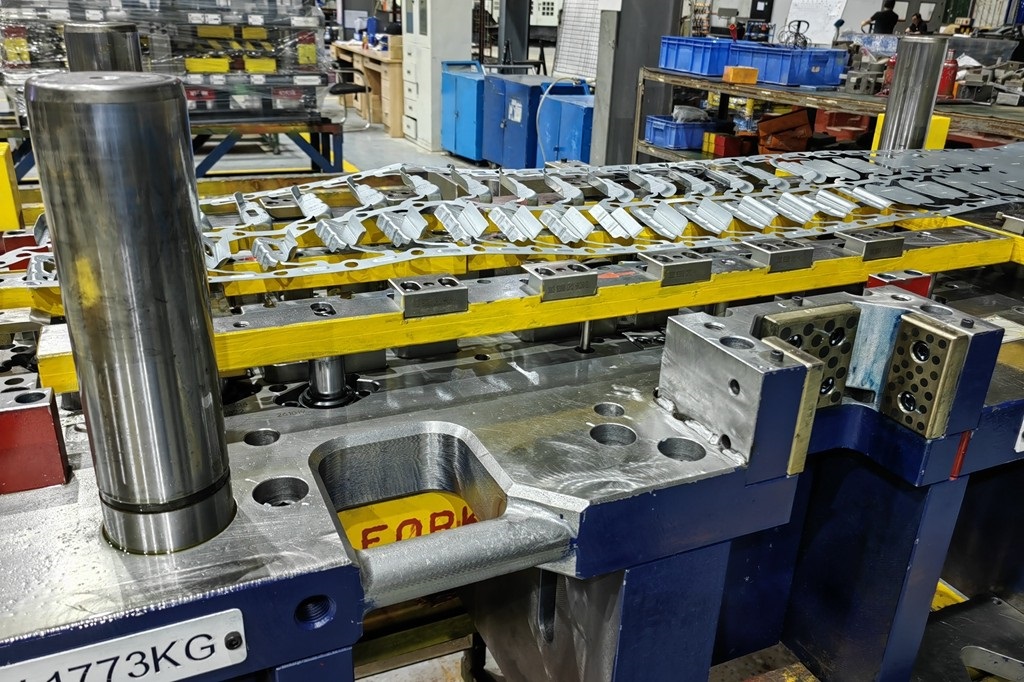
Metal stamping offers incredible speed. A progressive die can produce hundreds of complex parts per minute, making it the only feasible option for mass production on the scale of modern electronics.
Cost-Effectiveness at High Volumes
While the initial tooling can be expensive, the per-part cost in high-volume stamping is extremely low. This makes it a highly cost-effective solution for producing the millions of identical components needed for a global product launch.
High Repeatability for Guaranteed Quality
A well-maintained stamping die will produce millions of parts with virtually no variation. This high repeatability is crucial for ensuring that every device coming off the assembly line has the same high level of quality and performance.
Your Partner for Precision Components in Consumer Electronics
Consumer electronics stamping is the art of combining micro-level precision with flawless aesthetics at a massive scale. It requires a deep understanding of materials, tooling, and the unique demands of the industry. At Pengce Metal, we have the expertise and technology to be your trusted manufacturing partner for the most demanding electronic component projects. What is the biggest challenge when sourcing metal parts for electronic devices: cost, quality, or lead time? Share your thoughts below!
Your Questions on Stamping for Electronics Answered
What is EMI shielding and how does a stamped can work?What is EMI shielding? It stands for Electromagnetic Interference shielding. A stamped metal can, when grounded, forms a "Faraday cage" around a component. This cage blocks external electromagnetic fields from entering and prevents the component's own fields from interfering with others, ensuring clean signals.
What are the best materials for electronics enclosures?Aluminum alloys (like the 6000 series) are a very popular choice due to their excellent balance of strength, light weight, and finishability. For smaller, high-strength internal frames or decorative elements, stainless steel is often used.
How thin can you stamp metal for lightweight components?How thin can you stamp metal? We can work with very thin materials, often down to 0.1mm or even less, depending on the material and part geometry. This is crucial for creating the extremely lightweight components needed for modern mobile devices.
Can you ensure the cosmetic appearance is 100% free of defects?Can you ensure a defect-free appearance? We implement a rigorous quality control process, including 100% visual inspection under specialized lighting for cosmetically critical parts. While "100% perfect" is a theoretical goal, our process is designed to meet the extremely high aesthetic standards of the consumer electronics industry. Discuss your aesthetic requirements with our team.