






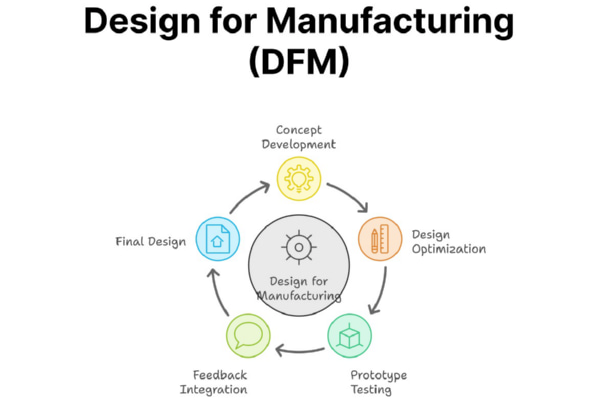
The best metal parts are born from a perfect marriage of innovative design and intelligent manufacturing. But how do you bridge the gap between a great concept and a part that can be produced efficiently and reliably? The answer is a Design for Manufacturability (DFM) review. What is a DFM review? It's a collaborative engineering process that analyzes a design from the manufacturer's perspective. This guide explains how our free analysis can help you optimize your design for success.
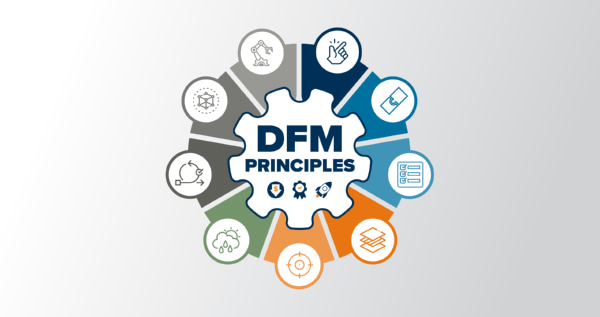
The Goal of a Design for Manufacturability (DFM) Review
A professional DFM review is more than just a check for errors; it's a proactive strategy to enhance your product. The primary goals are:
To Improve Part Quality and Performance
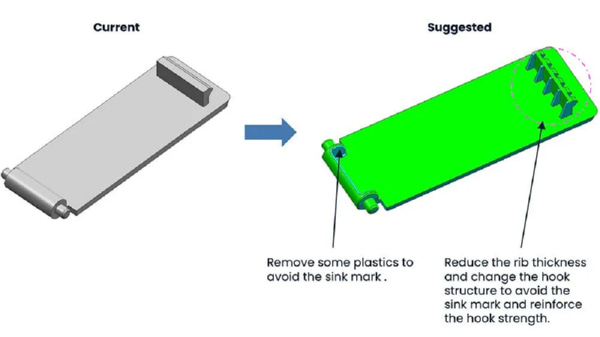
We analyze your design to identify potential manufacturing issues that could compromise the final part quality. By suggesting small modifications, we can help create a more robust and reliable component.
To Reduce Manufacturing Costs
Our DFM review is a powerful tool to reduce manufacturing costs. We look for opportunities to simplify geometries, optimize material usage, and eliminate unnecessary secondary operations, all of which can lead to significant savings.
To Accelerate Time-to-Market
By identifying and solving potential manufacturing problems during the design phase, we can prevent costly delays and rework down the line. A smooth, predictable production process helps you accelerate your time-to-market.
Our DFM Review Checklist: What We Analyze in Your Design
When our engineers conduct a DFM review, they look at your design through the lens of our manufacturing expertise. Here is a basic DFM checklist of what we analyze:
Material Selection and Thickness
Is the specified material the most cost-effective choice for the application? Is the thickness optimized for both strength and manufacturability?
Tolerances and Key Dimensions
Are the specified tolerances achievable with stamping? Are non-critical tolerances relaxed to reduce cost? We examine these details in depth.
Bend Radii and Formability
We check all bend radii to ensure they are appropriate for the material and thickness to prevent cracking and ensure good formability.
Hole/Slot Placement and Features
We look at the placement of holes and other features relative to bends and edges to prevent distortion during the forming process.
Opportunities for Part Consolidation
We analyze your assembly to see if there are opportunities for part consolidation—redesigning multiple parts into a single, more efficient stamped component.
The Process: How Our DFM Review Works
We've made our process simple, transparent, and valuable for you.
Step 1: You Submit Your Design Files
You send us your 2D and 3D design files along with your project requirements. The more information you provide, the more thorough our analysis can be.
Step 2: Our Engineering Team Conducts a Thorough Analysis
Our experienced engineers perform a comprehensive engineering analysis of your design, using our checklist and their deep knowledge of the stamping process.
Step 3: We Provide a Detailed Report with Actionable Suggestions
We provide you with a summary of our findings. This isn't just a "pass/fail" check; it's a report with clear, actionable suggestions on how you can potentially improve your design for better quality and lower cost.
The Outcome: A Partnership for a Better Product
A DFM review is the first step in a true manufacturing partnership. The outcome is a product that is better in every way.
A More Robust and Reliable Part
By catching and correcting potential weak points in the design phase, the final part is inherently more robust, reliable, and higher in part quality.
A More Cost-Effective Manufacturing Solution
The insights from the DFM review often lead to significant cost savings, ensuring you get the most value from your manufacturing budget.
A Smoother Path to Production
A design that is optimized for manufacturing will have a smoother, more predictable journey through the tooling and production phases, with fewer surprises and delays.
A Collaborative Approach to Excellence
A DFM review is the best example of our partnership philosophy in action. It’s an investment of our expertise into your project's success, offered for free because we believe that a collaborative start leads to the best long-term results. By working together, we can optimize your design and create a superior product. What is the most common design flaw you see that hinders automated assembly?
Your DFM Questions Answered
Is the DFM review really free? What's the catch?Is the DFM review free? Yes, our DFM review and quotation service is completely free and comes with no obligation. There is no catch. We offer it because we believe it's the best way to start a successful partnership and demonstrate our value as more than just a manufacturer.
How long does a typical DFM review take?A typical DFM review and quote are completed within 1-2 business days after we receive your complete design files and project information.
Do I have to accept all of your DFM suggestions?No, of course not. They are professional suggestions based on our experience. You are the ultimate expert on your product's functional requirements. We provide the data and insights; you make the final design decisions.
What is the best stage in my design process to request a DFM review?When is the best time for a DFM review? The best time is when your design is nearly complete but *before* it is finalized and released. This "sweet spot" allows for easy modifications to be made based on our feedback, maximizing the potential for quality improvement and cost savings. Submit your design for a free review today.